NUFF 2026 Festival Program is out NOW!

We are excited to reveal the NUFF 2026 competition programme, featuring 67 films by young filmmakers from around the world.

This year’s selection brings together a vibrant mix of fiction, documentary, animation, experimental films, and personal stories. Together, these films reflect the creativity, diversity, and unique perspectives of a new generation of filmmakers.

At NUFF, we believe in giving young voices a space to be seen, heard, and celebrated. We invite you to explore the programme, discover new perspectives, and meet the filmmakers behind these stories.

67 films. Countless stories. One festival!

Welcome to NUFF 2026! 🎬
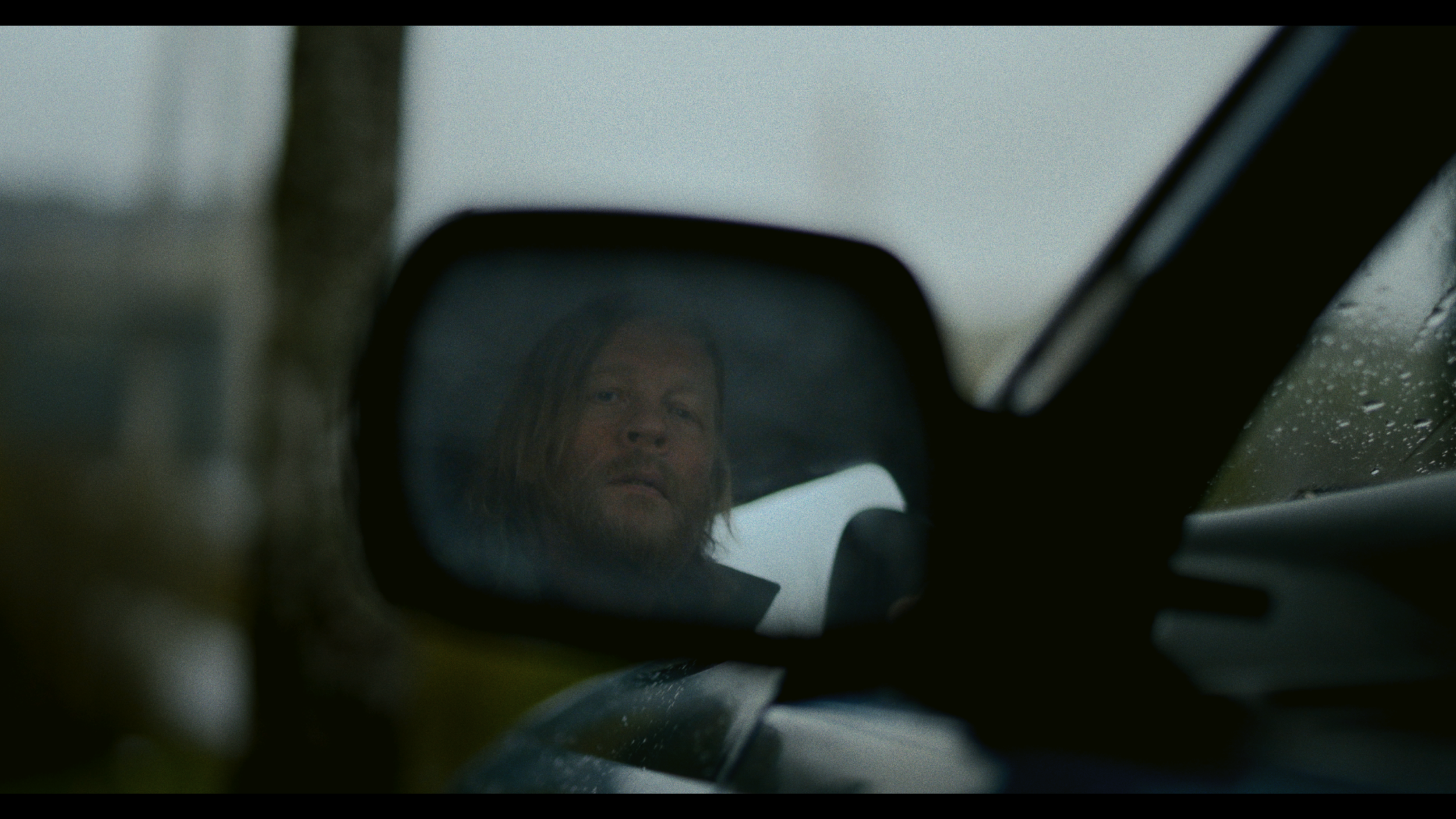
Program 1 - Foreign Grounds

Friday Oct 2, 12:00-13:30

To open the festival, we look outward; at lives lived far from home, or made unfamiliar within it. These six films follow people negotiating unfamiliar terrains. It asks what it costs, and what it gives back, to stand somewhere you don't quite belong yet. To be foreign is not always a matter of geography. It is the fluency you lose in a new room, the home that stops fitting the moment you look at it too closely. Foreign Grounds is where the festival begins, because every story worth telling starts with someone slightly out of place.

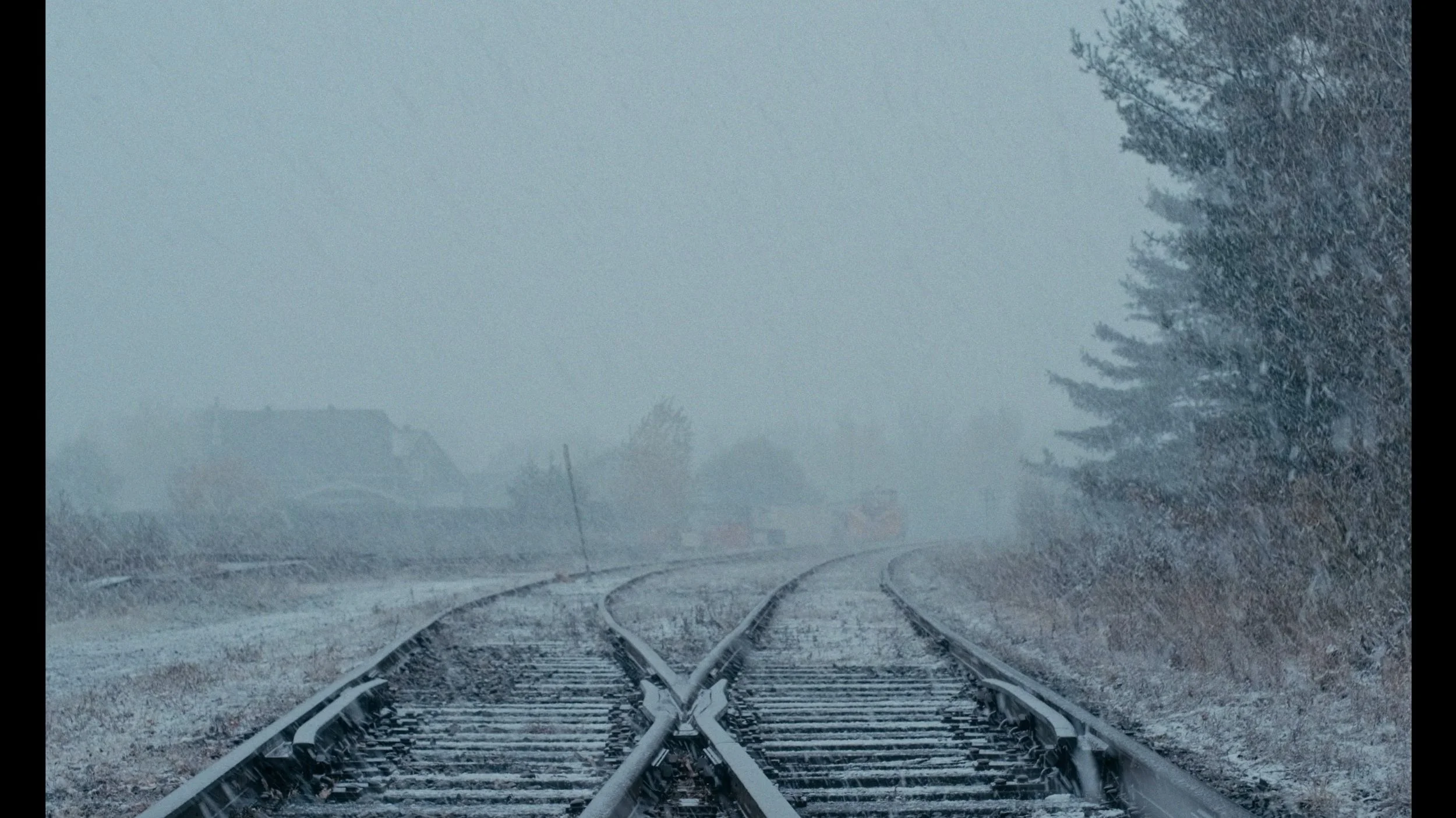
Interurbain, Canada, 08:53

Towels, Germany, 09:58

Best Friends, Poland, 13:43

A World for Short People, United Kingdom, 13:48

The Road Home, Romania, 16:12

Time and Forgiveness, Spain, 16:59

Cats, Switzerland, 13:14
Program 2 - Afterglow

Friday Oct 2, 14:00-15:30

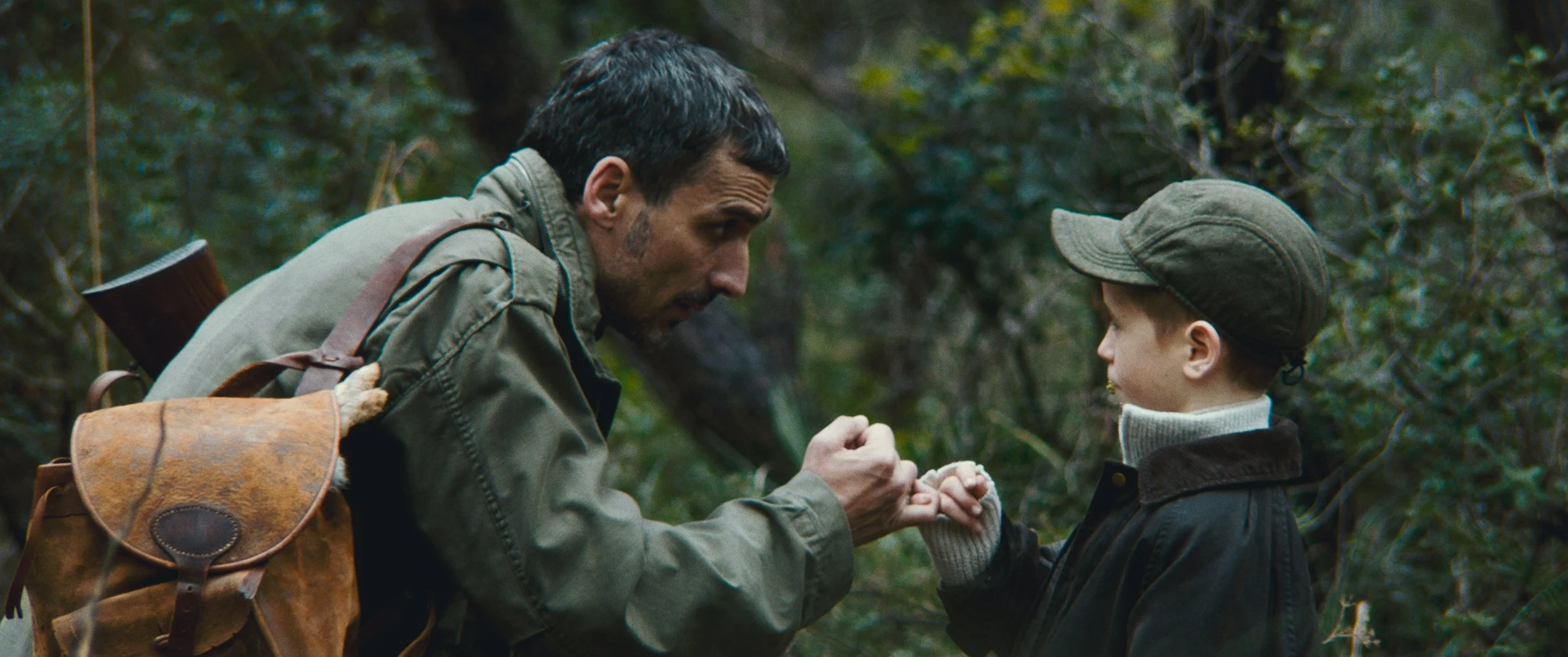
What lingers after time has passed? This block sits with loss in its many registers, sometimes warm, sometimes harsh, always changing what comes next. Afterglow holds space for grief that doesn't announce itself, for absence that keeps working on you long after the event has passed.

Warp and Weft, United Kingdom, 03:46

The Unconventional Funeral Agency, Sweden, 05:00

Stone Memory, Serbia, 09:32

To the Moon and Back, Denmark, 11:46

Loop, Denmark, 09:53

Still Swimming, Norway, 14:43

Buffalo, Spain, 17:00

Afterlife, Norway, 17:27
Program 3 -

Blood Ties

Friday Oct 2, 16:00-17:30

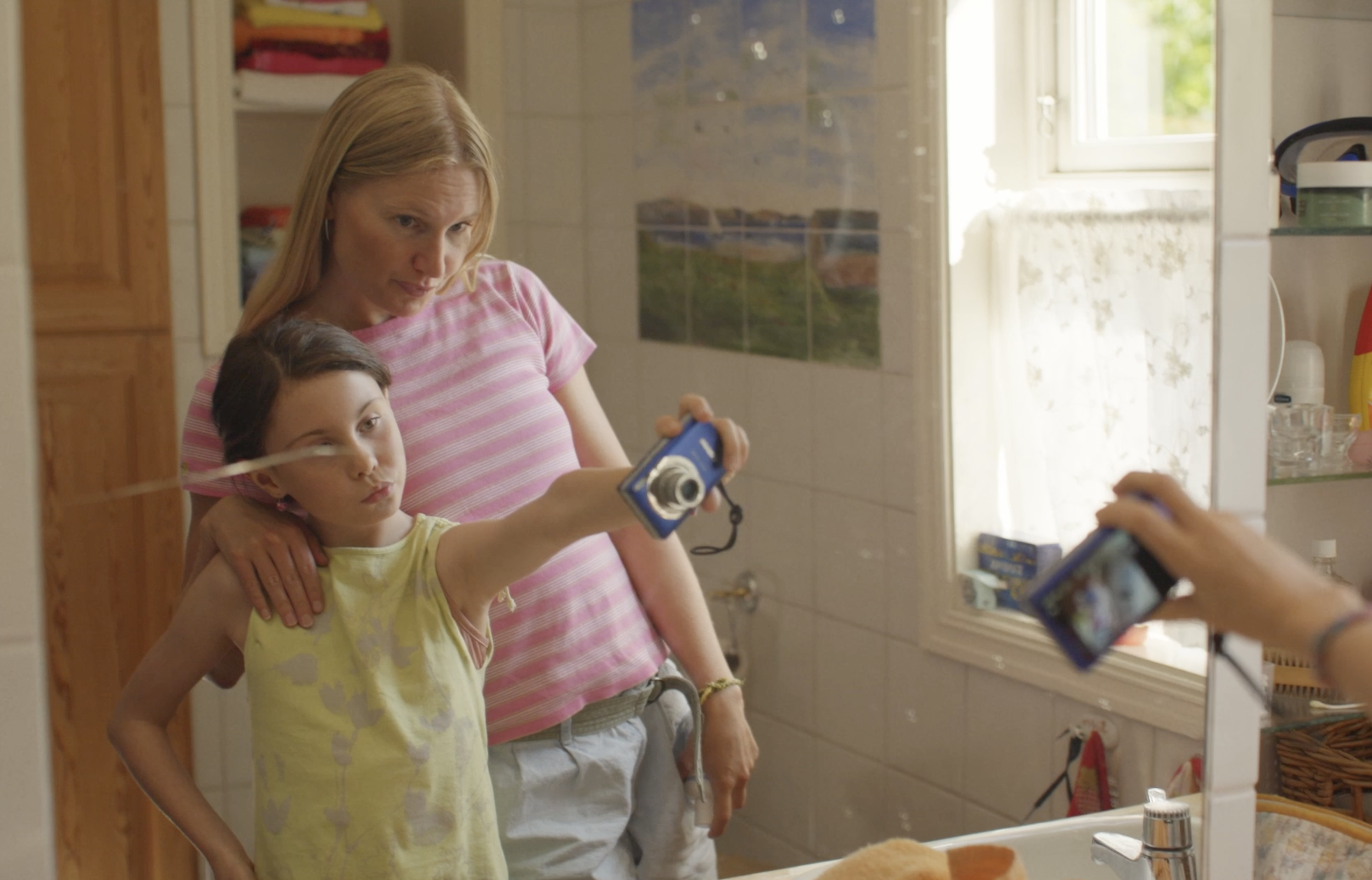
Parents, children, and the weight passed silently between generations. Six films examine what men inherit: expectation, silence, rage, tenderness they were never taught to name. From a quiet act of walking away to a reckoning that spans generations, Blood Ties looks at family not as comfort but as inheritance: something you carry whether you asked for it or not.

Just Walk, Czechia, 03:39

The Judgement, United Kingdom, 13:20

What Do Dragons Eat?, Spain, 15:11

The Bull & Baby, Spain, 15:00

Rage, Spain, 18:42

Be a Man, Spain, 20:00
Program 4 - Growing pains

Friday Oct 2, 18:00-19:30

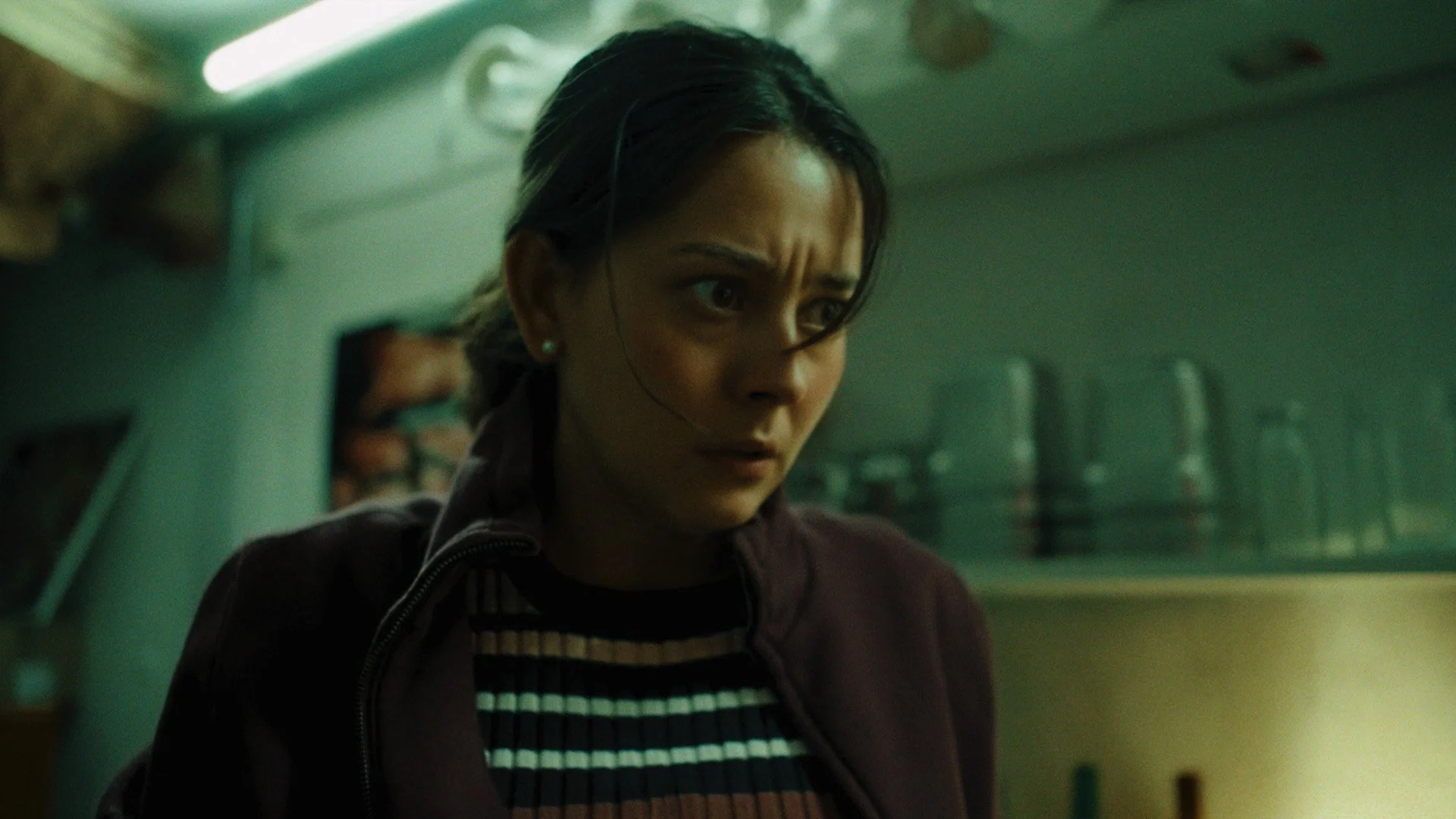
Nobody becomes someone painlessly. This block follows young people at the threshold; navigating first friendships, first griefs, first understandings of the adult world watching them. Whether through animation, documentary-style intimacy, or quiet drama, Growing Pains captures the particular ache of becoming someone, one uncertain step at a time.

I Promise, Norway, 08:00

In My Dream, We Fell Together, Sweden, 14:56

Ciao, Quico!, Spain, 14:00

Smooth Summer, Norway, 13:09

Kabutar, Uzbekistan, 20:00

The Piano, United States, 08:00

Var Det Som Du Minns Det?, Sweden, 10:11#

Program 5 — Frontlines

Friday Oct 2, 20:00-21:30

Some lines are drawn on maps. Others are drawn across dinner tables, courtrooms, and the space between two people who no longer agree on what's real. This is where the political becomes personal. These seven films bear witness; to displacement, to protest, to the quiet violence of policy on ordinary lives. This block doesn't offer easy resolution; it insists on being seen. Frontlines is where the personal refuses to stay separate from the political; where witnessing becomes its own act of resistance, and looking away stops being an option.

Repparfjorden, France/Norway, 03:35

Second Hand, Turkey, 07:51

Sing my song, Sweden, 10:11

175, Sweden, 10:48

Borderline, Finland/Norway, 11:41

That Morning, Sweden, 12:00

Lisa is here, Germany, 13:38

Qaher, Poland, 20:00
Program 6 — Invisible Verdicts

Saturday Oct 3, 12:00-13:30

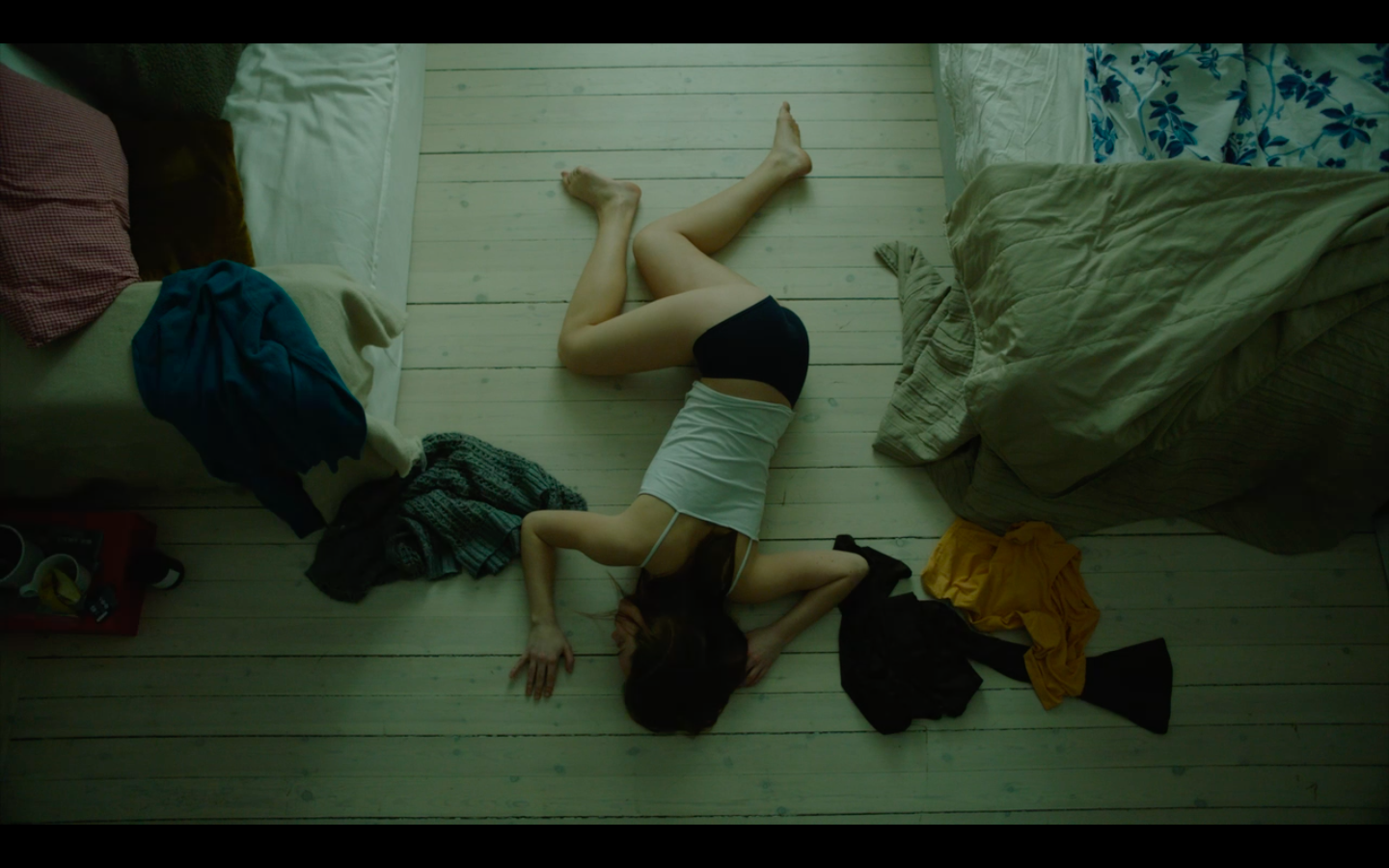
Some judgments are never spoken aloud. They arrive disguised as concern, as care, as a quiet suggestion, and by the time you notice them, they've already reshaped how you see yourself. This block sits inside that invisible court: the one with no judge, no jury, no formal charge, yet somehow a verdict is reached anyway. The Invisible Verdict is for every silent reckoning that happens behind closed doors.

The Matilda effect, Denmark, 09:20

Everything on the table, Spain, 09:00

In Your Hands, Sweden, 09:11

No One Reads Anymore, Norway, 13:15

Solo, Sweden, 13:54

Pedo Hunters, Sweden, 14:36

April, Spain, 07:00

Keep fit!, Russian Federation, 10:40
Program 7 —

Close Enough

Saturday Oct 3, 14:00-15:30

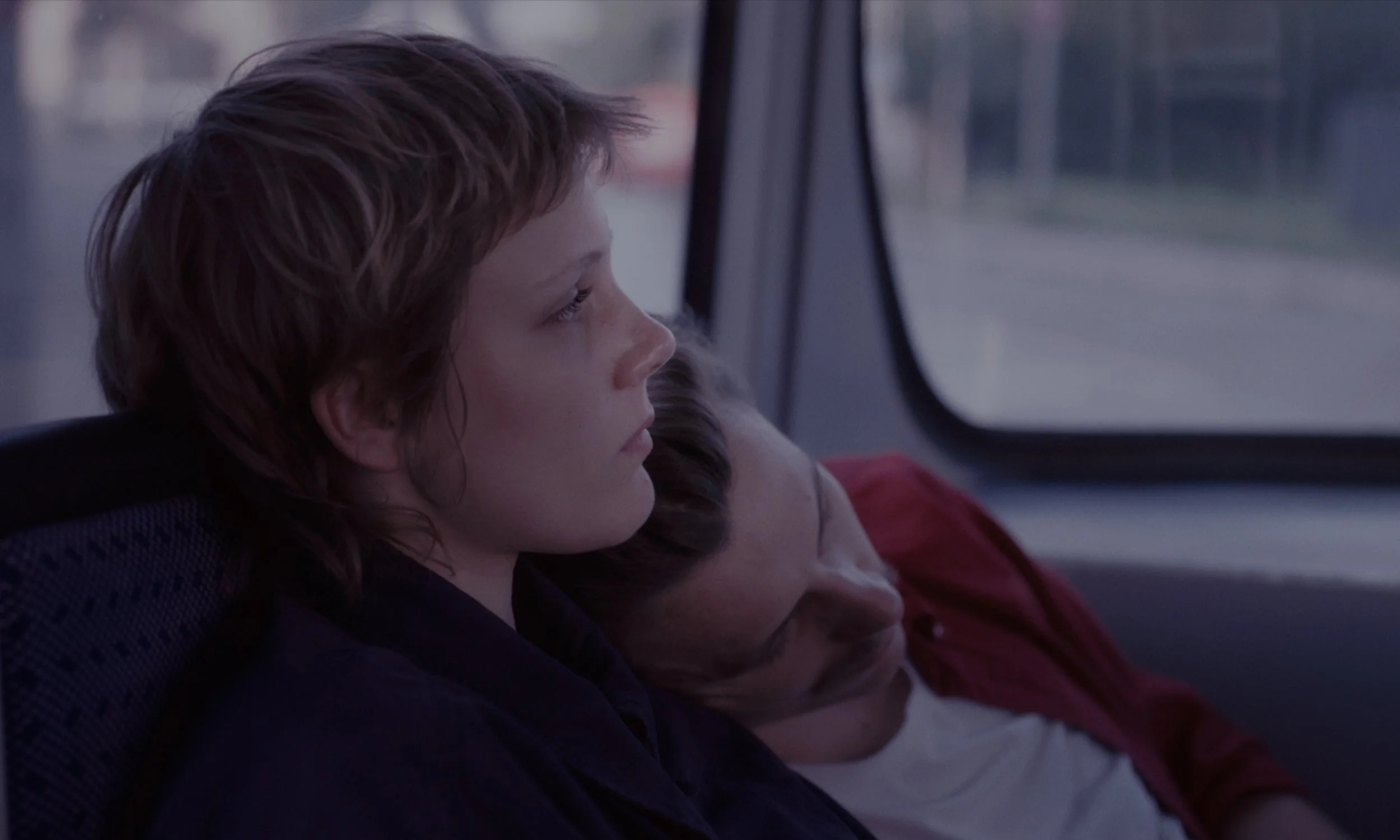
Intimacy is a negotiation, not an arrival. This block lives in the space where two people almost understand each other; close enough to hurt, close enough to hope. This block is for anyone who has loved imperfectly, which is to say: everyone. Close Enough is a block about proximity: how near we get, and what keeps us from closing the last distance.

He Was a Hungry Man, Denmark, 05:08

Erosion, Norway, 08:00

The Perfect Past, Iran, 11:03

Epilogue, Norway, 13:00

Easy life, Poland, 15:00

We Were Fine, Weren't We?, Croatia, 19:19

Like Other People, Germany, 17:04
Program 8 —

Off the Rails

Saturday Oct 3, 16:00-17:30

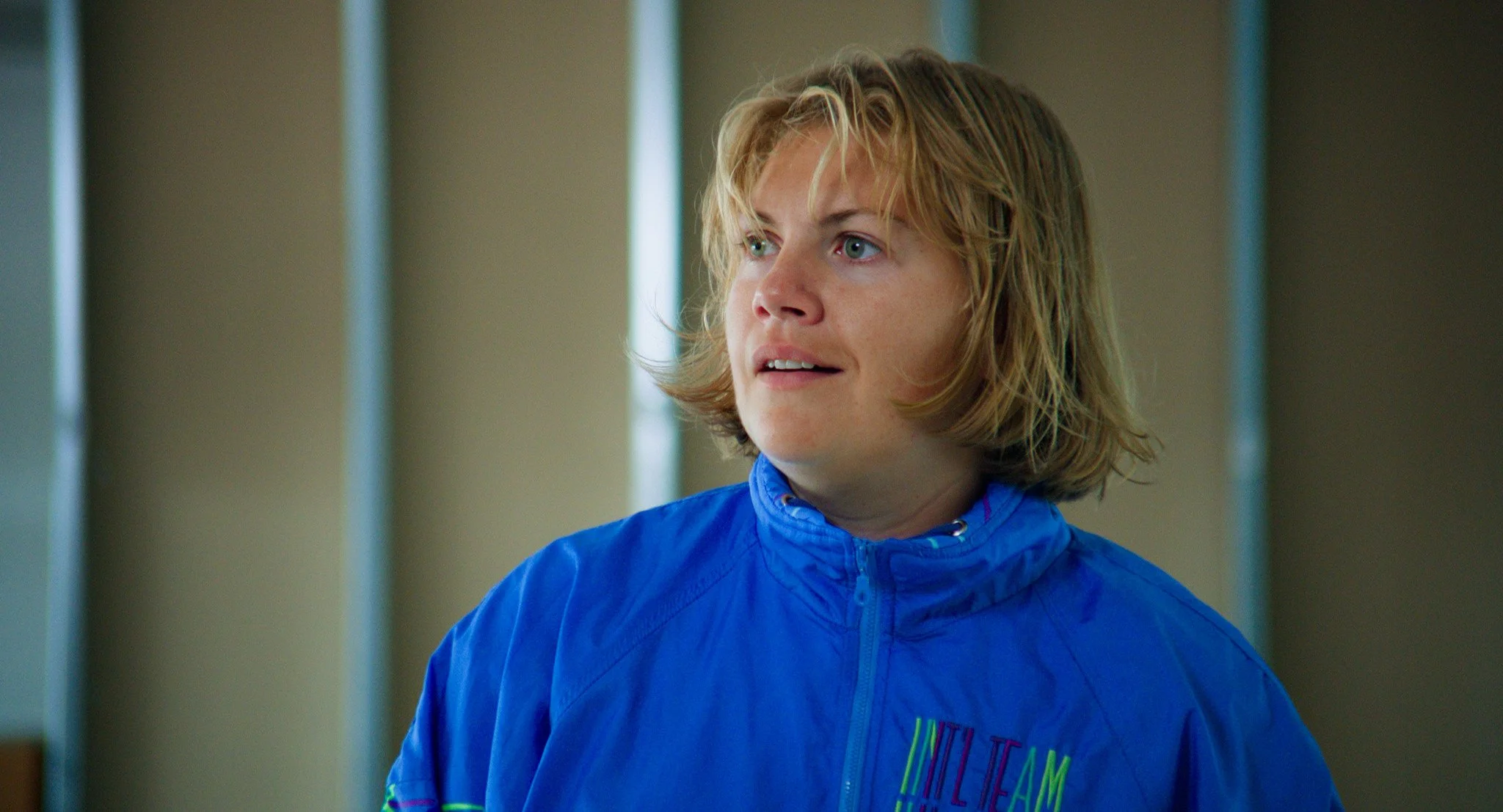
When the ordinary bends into something stranger. This block leans into the unsettling thrillers, dark fantasy, quiet horror, and psychological unease that creep in sideways rather than through the front door. This is not a block for comfort; it's a block for the unease that lingers after the lights come up. Off the Rails is for the audience ready to be disoriented, to sit with films that resist easy explanation.

Näckrosen October 9th, Sweden, 02:29

Tickle, Iceland, 08:13

Captivated, Norway, 06:35

The Height Of It, Spain, 05:00

The Hair, Iran, 14:21

Interview with the Devil, Iceland, 19:29

Trading Cards, Australia/United Kingdom, 14:59

Fastest Fucking Car, Sweden, 10:42
Program 9 —

Loose Ends

Saturday Oct 3, 18:00-19:30

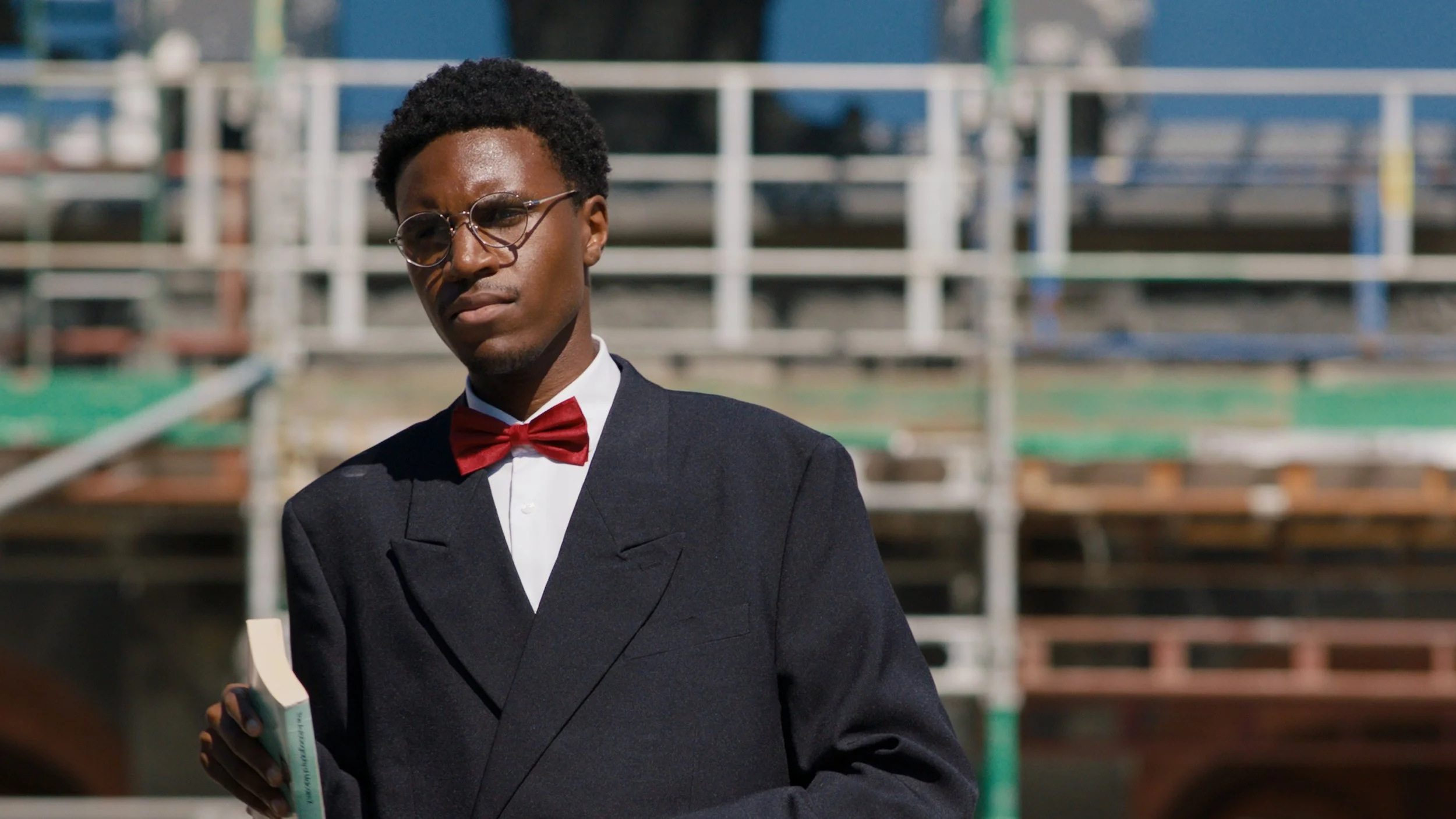
Not everything resolves, and this block refuses to pretend otherwise. The festival closes with what refuses to be tidy. Loose Ends closes the festival with humor, absurdity, and stories that end mid-breath; a celebration of the fact that life rarely wraps up as neatly as fiction promises. Eight films, mostly short and sharp, embrace the absurd, the comic, the unresolved dark humor, satire, and stories that end mid-thought rather than at a clean finish. Loose Ends is the right note to leave on: unfinished, unresolved, and completely alive.

Time Flies, Portugal, 04:36

HA (Gabaldon), Portugal/United States, 03:49

Orientert, Norway, 03:47

The Art of Interpretation, Norway, 06:58

Aftertaste, Estonia, 09:59

Symptoms of the land, Norway, 16:00

Golden Swingers, Spain, 13:31

The Neapolitan Plot, Belgium, 17:36
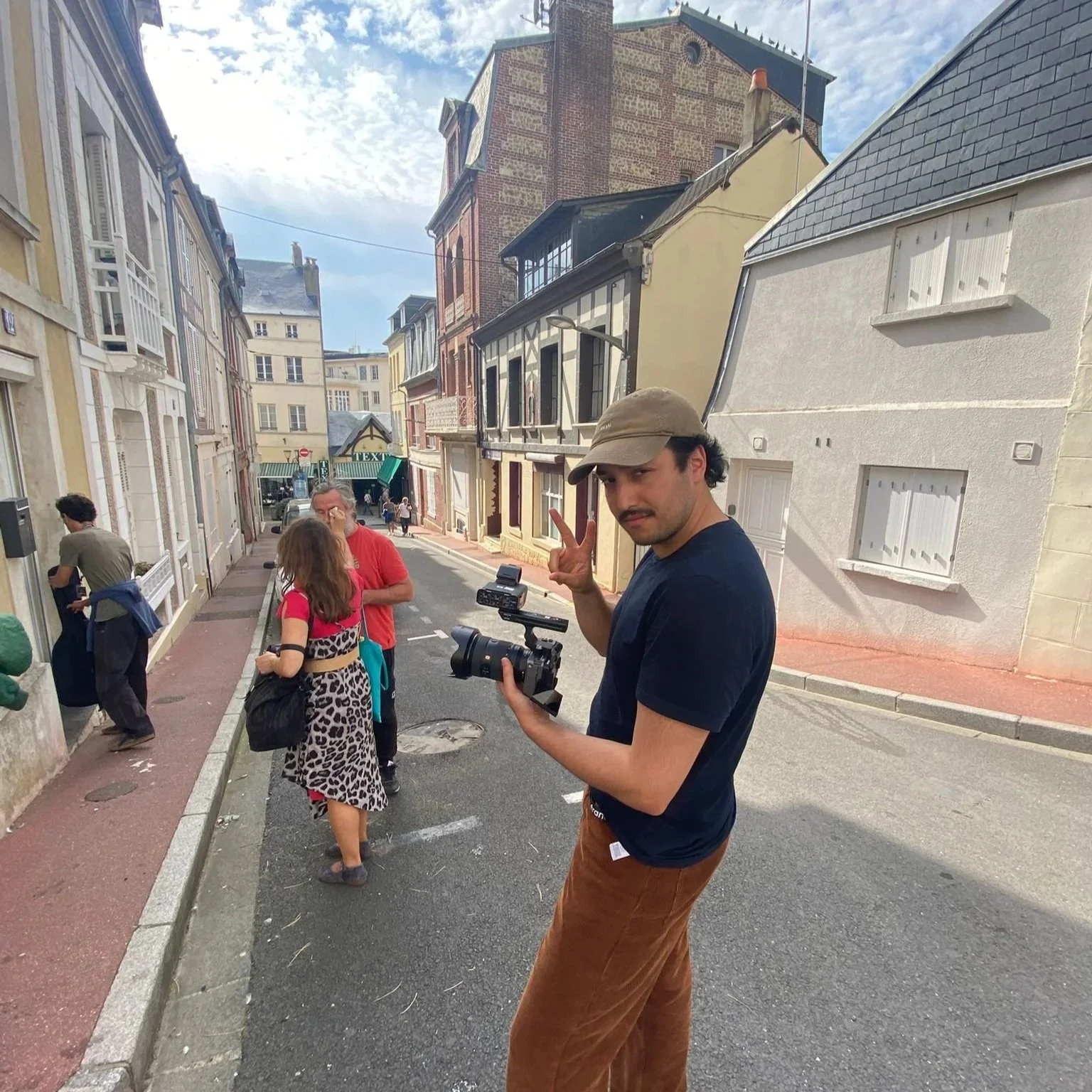
NUFF Said? Not Quite - Arjuns Chaotic Dive into Off Courts

What I Learned at Off Courts Trouville

- by Arjun Acharya, filmmaker.
Earlier this year I had the pleasure of taking part in two film workshops.

In the summer I partook in the workshop portion of The Nordic Youth Film Festival (NUFF). An annual film workshop for young filmmakers between 15 to 26, held every June in Tromsø, Norway. It focuses on international and cross-cultural collaboration, where the goal is to create short films together, from a brainstormed idea to a finished product in just one week. This year the workshop took place right after the film festival portion of NUFF. A two-day short film festival that screens international films made by directors up to 30-years old. It is hosted at the iconic Verdensteatret cinema in Tromsø; Norway’s oldest municipal cinema that still regularly screens films. This was something I personally thought was nice, since I always, after festivals, feel a wave of inspiration, as well as a false sense of confidence. Despite the cliche naïveté of thinking “I could totally make something like that”, I do feel like it was a good way to keep the momentum going throughout the workshop week and develop ideas within one’s group while the rush of creativity still lingers.

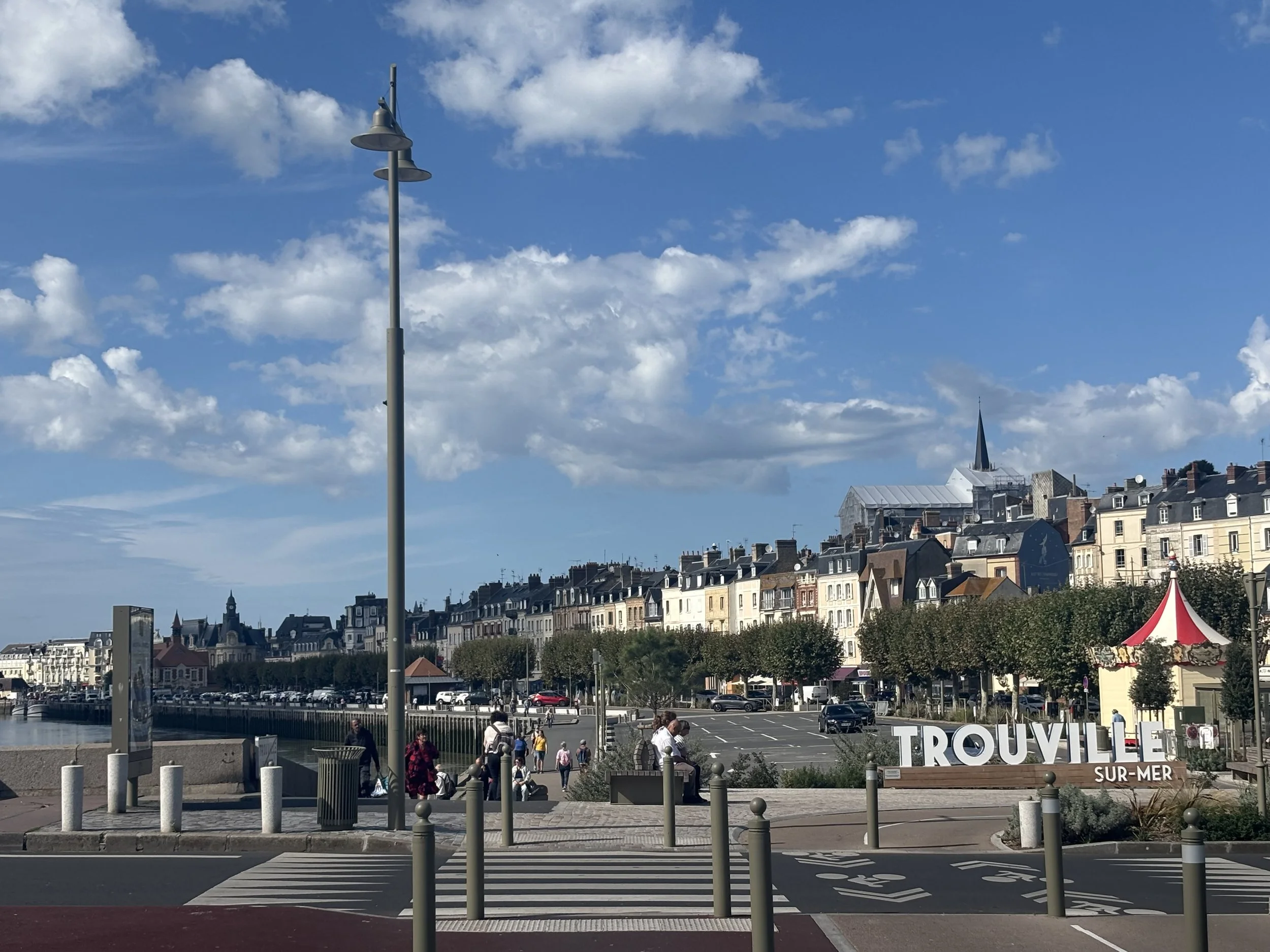
After NUFF, I was asked by Tvibit if I wanted to partake in the International Creation Laboratories, a Kino workshop at the Off Courts festival in Trouville, France. An initiative similar to NUFF, or so I was told… With the help of Tvibit Filmfond, I was able to travel and partake in the workshop. Then, I was asked to write a bit about my experience and what I learned. So, here is my somewhat messy, yet earnest attempt at a blog type format, presenting my subjective experience at Off Courts. Perhaps the best way to talk about this experience would be to compare and contrast it to NUFF. They are both similar, yet have quite different approaches to the same goal.

The information on the website was in short supply, vague and mysterious, and left me with more questions than answers. I went in with very little expectations of how things would actually be organized. All I had to go off was knowing it would be somewhat NUFF-adjacent. After getting to the Airbnb, I met a couple of other international participants. Mostly from Quebec. They seemed to be seasoned veterans at the Off Courts format, having partaken in the Kino workshops multiple times. They let the cat out of the bag and told me how the workshops were actually structured and what expectations to have. It seemed that most people come prepared, with an idea to pitch. However, since I just came from NUFF, I had expected more of a collaborative brainstorm, where everyone comes up with an idea together. To me, that was an appealing and essential part of the collaborative process. So, I thought it would be interesting to see how this Kino workshop would tackle this.

What even is Kino, anyway? Allow me to briefly tangent and explain. The Kino movement was established in 1999 in Montreal, Quebec, Canada. It encourages low or no budget filmmaking, small crews and non-competitive collaboration. “Kino Kabarets” is a branch of Kino, where members of the public are invited to collaborate on the filmmaking. Since its inception, Kino has spread all over the world. It has even made it to Northern Norway, where NUFF acts as a form of the Kino movement.

The Quebecers I met informed me that the International Creation Laboratories workshop would be split up into two sessions, each lasting three days.

Session one: Kino Kabaret

This part was meant mainly for the French and the locals of Trouville. On the first day, everyone gathered in the ‘village’ courtyard. According to my tentatively estimated guess, there were about 100-200 people. I am not exaggerating when I state that Trouville, the locals, and the whole experience felt quintessentially French, almost to the point of being offensively stereotypical. If you close your eyes and think of France right now, you will likely be quite close to visualizing reality. Members of the public and anyone interested could come and pitch a project. The courtyard was filled with people of all ages, from children to senior citizens. All effortlessly stylish, dressed in marinière sweaters and bright blue workwear jackets, carrying a carefree energy of a life well lived. Around 95% of them were casually rolling or puffing away at their tobacco, or having a glass of wine to get the day started, or both. Coming straight from Norway, I was desperately trying to find a normal, big cup of filter coffee; a concept seemingly unheard of in France. Any inquiry about filter coffee would be met with a confused and judgmental side-eye, followed by the question: “Do you mean Americano?”. Needless to say, I was chronically under-caffeinated throughout my trip. I did not even know that small espresso paper cups existed.

When everyone was settled in and the welcomes were over, they introduced the festival and all the people who would be there to help us with our projects throughout the week. Those being professionals in all fields, ranging from prosthetic makeup artists and VFX artists to composers and sound designers, editors, DOPs and sound recordists. All of whom would be at our disposal to help the films come to fruition. A big queue was formed, and everyone who was French could pitch a film idea and say what kind of crew members, actors or general help they needed to make their idea happen. It could be any film, there were no restrictions, censorship or required film length.

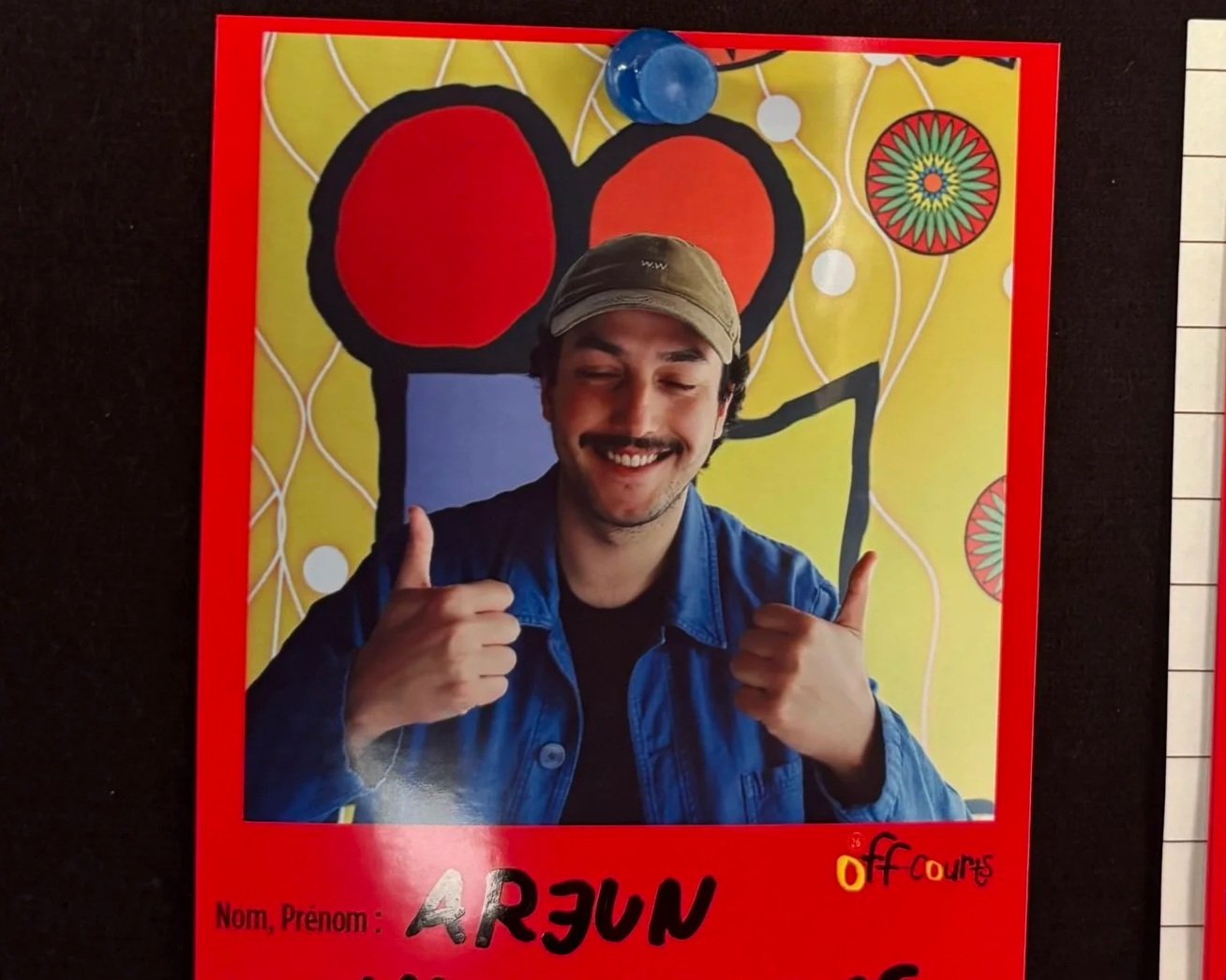
Unfortunately for me, everything was in French; and not everyone who knew English, knew it that well. So, it was impossible to understand all the ideas. After all of them were presented, everyone who wanted to be an actor could introduce themselves. It was expected that we, the invited international guests, will help the Kino Kabaret however we can. We also had to introduce ourselves, say what our competence was and what we could offer to different productions. When all the introductions, presentations and pithes were over with, we all took some polaroid pictures of ourselves, wrote our name, number and competence for a production. If you want to DOP, edit, do sound or act, you could write it all down on the polaroid. Then, it would be hung up along with all the other polaroids on the wall for everyone to analyze. The whole ordeal was very chaotic, to say the least. Everything is expected to be on your own initiative. It is your responsibility to socialize, “sell yourself”, network and find a group to be a part of. Something that can be quite difficult, if you are an introvert. The fact that a lot French people have a hard time with English (and the Quebecers would rather talk French) makes it all a lot harder, and can in some instances feel alienating. No one will assign you to a group or force you to do anything. You either have to find someone to work with, or hope they will see your polaroid on the wall and call you up. Thankfully, I ended up helping a couple of different projects with sound, editing, camera, even as an accidental and somewhat reluctant actor. When the filmmaking actually started, the socializing and inclusivity came naturally and everything worked out great. After three days, there was a huge, free screening of all the Kabaret films, that lasted ca. three hours and was open to the public.

Session two: Kinoworld

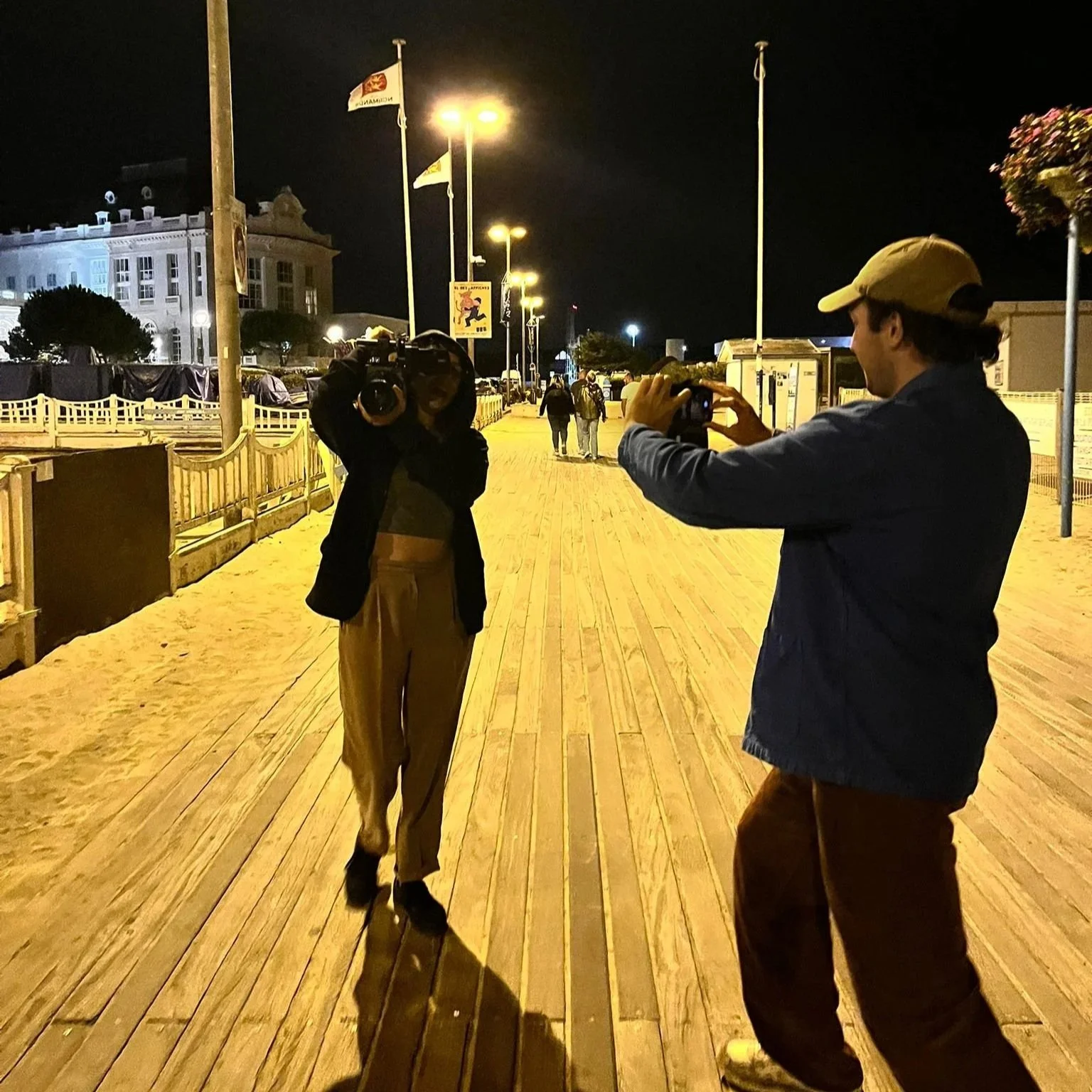
After three days of Kino Kabaret, it was time for the international guests to take the lead. The second session started the same as the first. Invited guests would pitch ideas and let everyone know what they were looking for. Then, we contacted people on the polaroid wall and got help from the local community. At this point, I still had not come up with a solo project that I wanted to make, but I though this would be a good opportunity to help others with their ideas. I decided to collaborate with the only other person I met, who also did not know French (an Italian). I co-directed, shot and edited a poetic and surrealist hybrid film about migration through the British channel; using pearl clams as a leitmotif. This was an interesting opportunity for me to try out a new genre that was more loose in its workflow than what I am used to, as I personally never made films like this before. We used a wide selection of cameras; everything ranging from small camcorders, to Sony FX3s and Buranos. We even tried our luck at catching a glimpse of the blood moon, but because of the clouds, we were not able to successfully catch any footage of it. We asked the vendors at a local fish market if they would let us film them. We would wake up at 05:00 in the morning to catch a glimpse of the boats coming into the harbor to deliver the goods. Then, we would film in pouring rain and strong winds. I even had to fashion a garbage bag as a raincoat, given that I was too optimistic regarding weather during the packing. Then, same as after the Kabaret, we held a screening of all the Kinoworld films. There were over 60+ different films made during whole International Creation Laboratories.

Parallel to the Kino workshops, there were concerts and a wide selection of other mini-workshops that one could attend, if they found the time; ranging from the cinema, camera and editing courses, to workshops on music and intimacy coordination. Unfortunately, I was too busy with all my productions to experience all the side quests, but it is OK, because I think they would have all been in French anyway.

Towards the end of the workshop, I realized that a completely separate film festival was taking place at the same time; The Deauville American Film Festival. Apparently, there is a long-standing feud between the Trouville and Deauville festivals, separated by a river, and with parodic levels of rhyming of arch-nemeses names. I will not even attempt to explain the whole squabble in detail here, as I simply do not know enough, but as a questionable authority on the matter, I would explain it as follows: While Deauville is focused on the exclusivity, luxury, glamour and prestige of the screened films and their stars, Trouville has been a counter-reaction to this. The main focus at Off Courts is to democratize films and filmmaking, making them more accessible to the wider public through hosting a festival with activities, workshops and screenings free and open for all to partake in.


To conclude, if NUFF is an idyllic kayaking trip in a boat full of strangers, whom over the duration of your trip you will get to know better; through helping each other navigate down a winding river toward a shared destination you realize the true meaning of collaboration and friendship…Then Off Courts is a non-stop plunge down violent rapids, alone and in a canoe, surrounded by hundreds of other canoers with a promille of 0.5‰ or above, while French piranhas nip at your oars. Eventually, everyone will end up at the bottom of a cascade, yet how you get there is entirely up to you.

All in all I am thankful for the time I had in Trouville. It was really cool to experience their way of doing Kino and how they approach making films in such a short time. It was really chaotic and intense, but in a super fun way. The freedom and lack of constraints can be a blessing as well as a challenge and it was interesting to be pushed in that way. I would definitely partake again. Especially now after knowing what to expect. I think International Creation Laboratories is a great opportunity for anyone who wants to a high intensity, unrestrained, creative, and potentially chaotic, experience. Or anyone who’s already partaken in NUFF and feels like they want to do the same thing, but with different challenges. Its definitely a film workshop that forces you to put yourself out there, maybe even going out of your comfort zone, and collaborate in unique ways.

Same:

  • Make a film in a short amount of time in the spirit of kino movement.

  • Focus on collaboration.

  • Experienced people to help the projects be realized

  • Equipment supplied.

  • Similar coastal town vibes.

Different:

  • - Nuff assigns you to a group that you will be a part of for the whole duration, while Off courts focuses on collaboration across multiple films and roles, pitching and “selling yourself” and what you bring to the table.

  • - Nuff is more organized and you have a dedicated mentor leading you though the whole process, making sure you reach your goals. While no one holds your hand during Off Courts and it is up to you to seek or offer help independently.

*The views expressed in this blog post is entirely that of the writer and has been unaltered by NUFF.